1Administer cells

Look beyond the source: what is administered, how is it checked, and what remains uncertain?
Go to the final comparison →Stem cells are involved in tissue maintenance and repair. Substances they release, including EVs, cytokines and growth factors, are also studied for their interactions with surrounding cells.
Exosomes
Cytokines
Growth factors
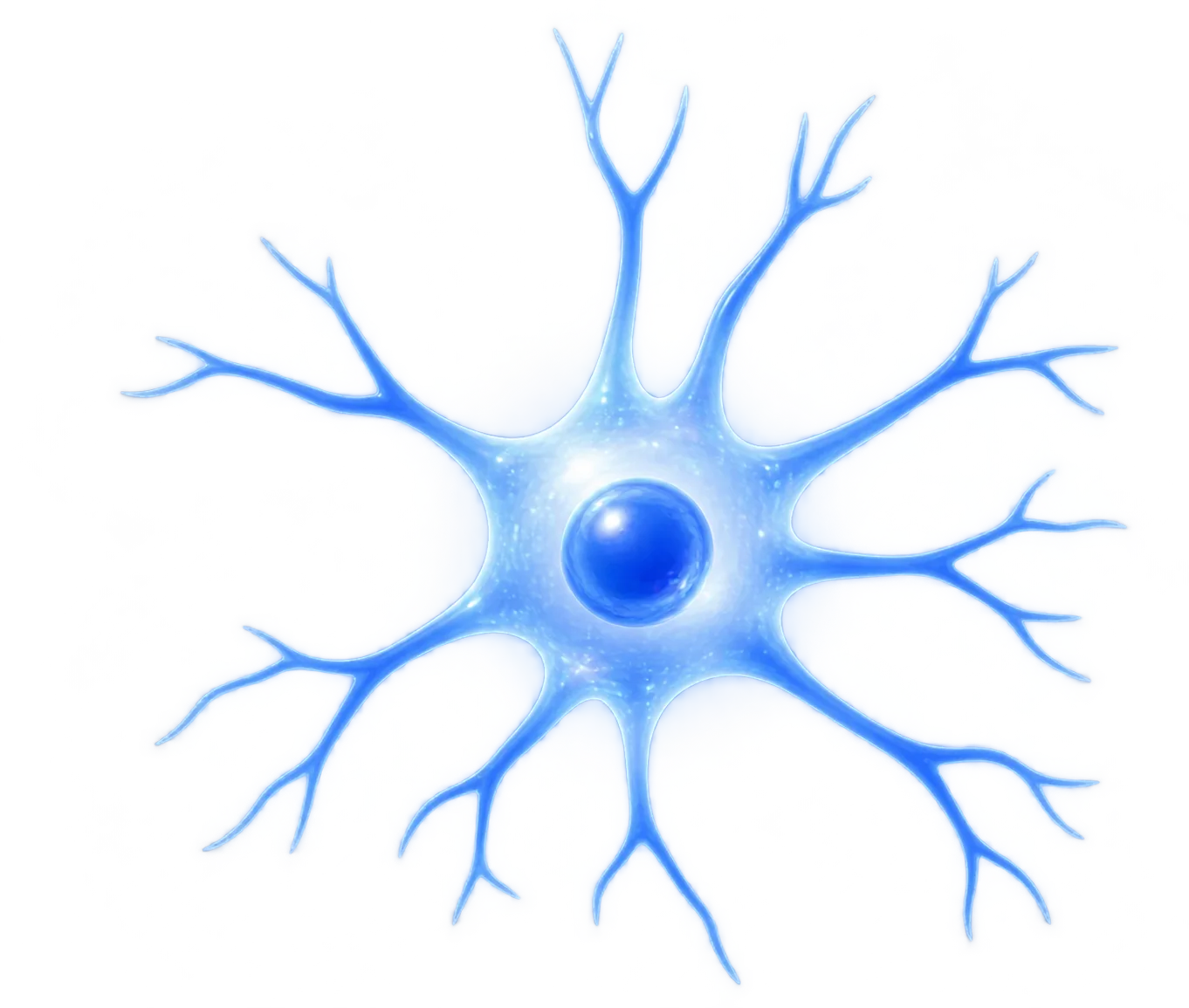
These are conceptual diagrams for discussing treatment choices. Review the actual preparation, its approval status, costs and clinical evidence with your doctor.
The composition and activity of EVs may vary with parent-cell condition, culture, collection and purification. Your own cells are not automatically uniform in quality.

The composition and activity of EVs may vary with parent-cell condition, culture, collection and purification. Your own cells are not automatically uniform in quality.
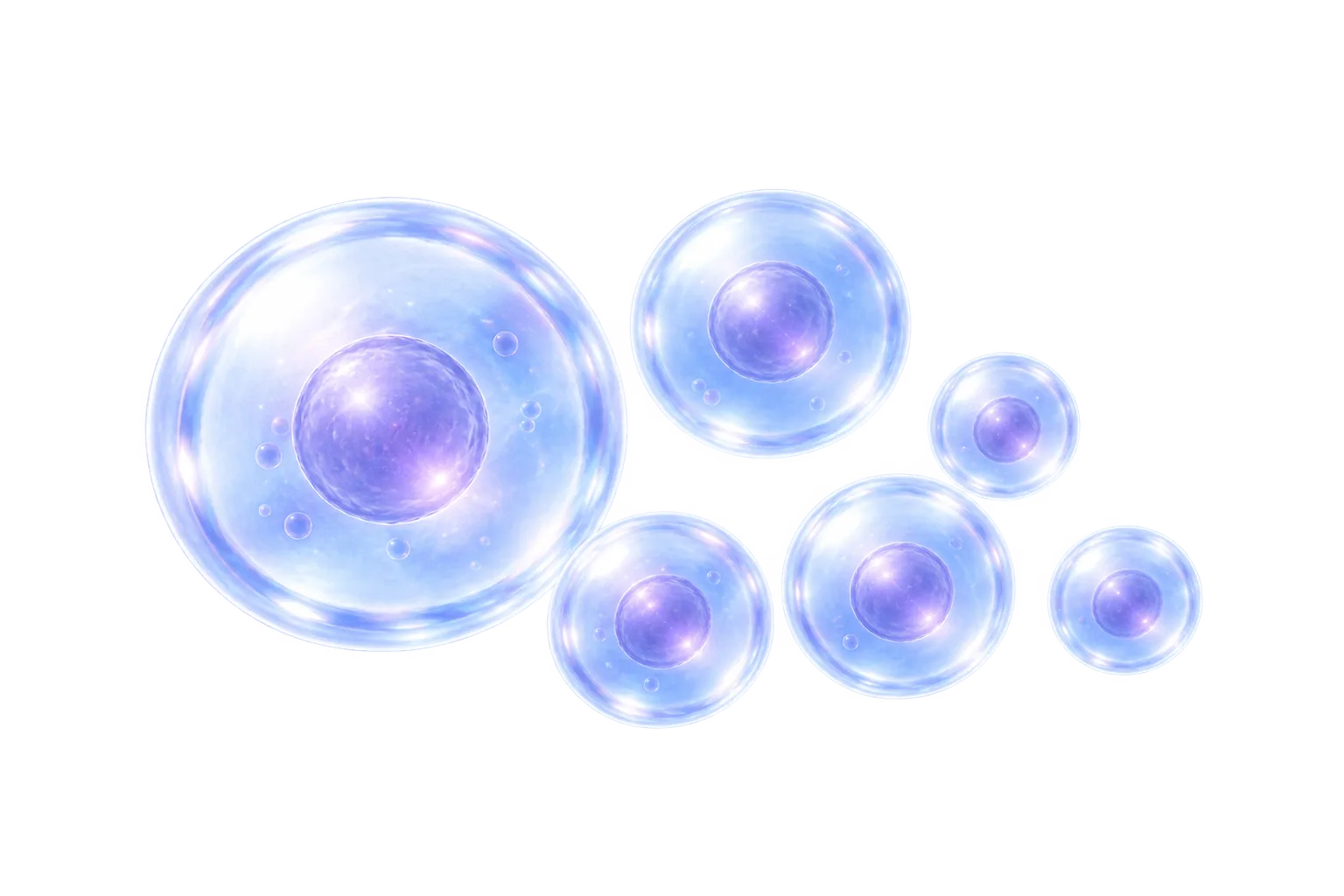
The composition and activity of EVs may vary with parent-cell condition, culture, collection and purification. Your own cells are not automatically uniform in quality.
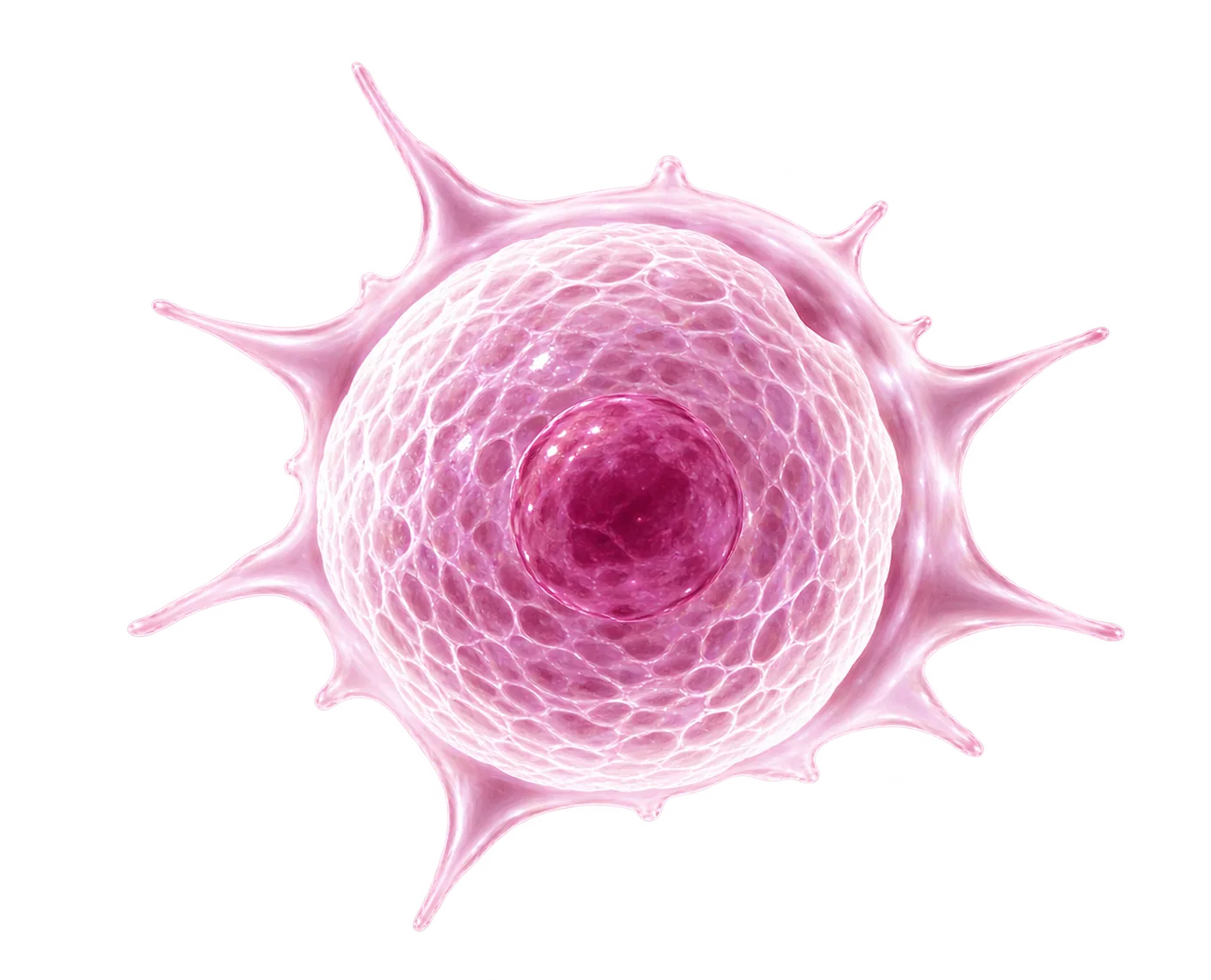
The composition and activity of EVs may vary with parent-cell condition, culture, collection and purification. Your own cells are not automatically uniform in quality.
These are conceptual diagrams for discussing treatment choices. Review the actual preparation, its approval status, costs and clinical evidence with your doctor.
Harvesting and culturing your cells requires preparation. Ask about the burden of harvesting, quality checks, administration and emergency support.
Ask how cell count, viability and quality are assessed. Health, age and culture conditions can affect characteristics.
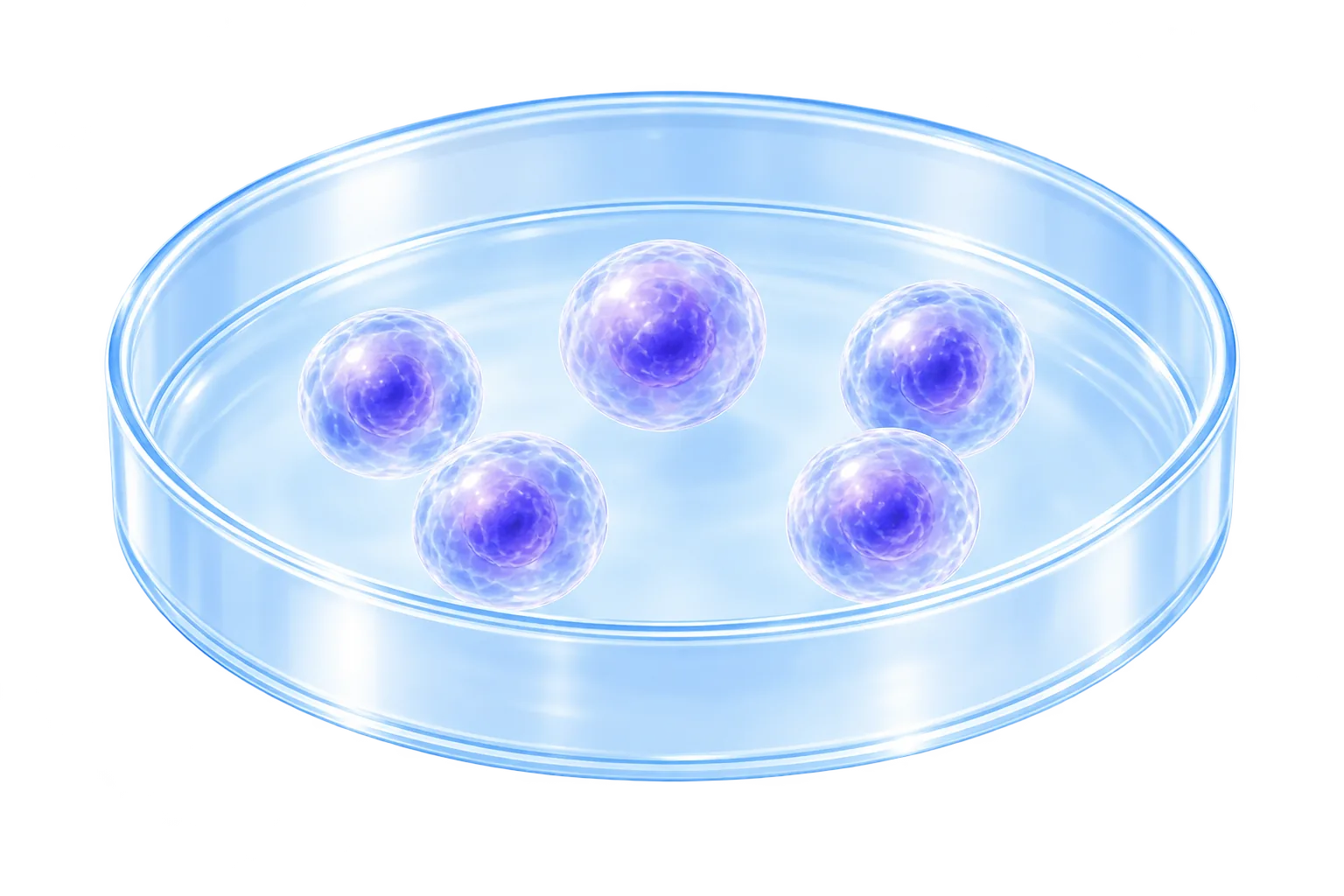
Discuss pain, bleeding and infection risks, culture time and quality control before administration.
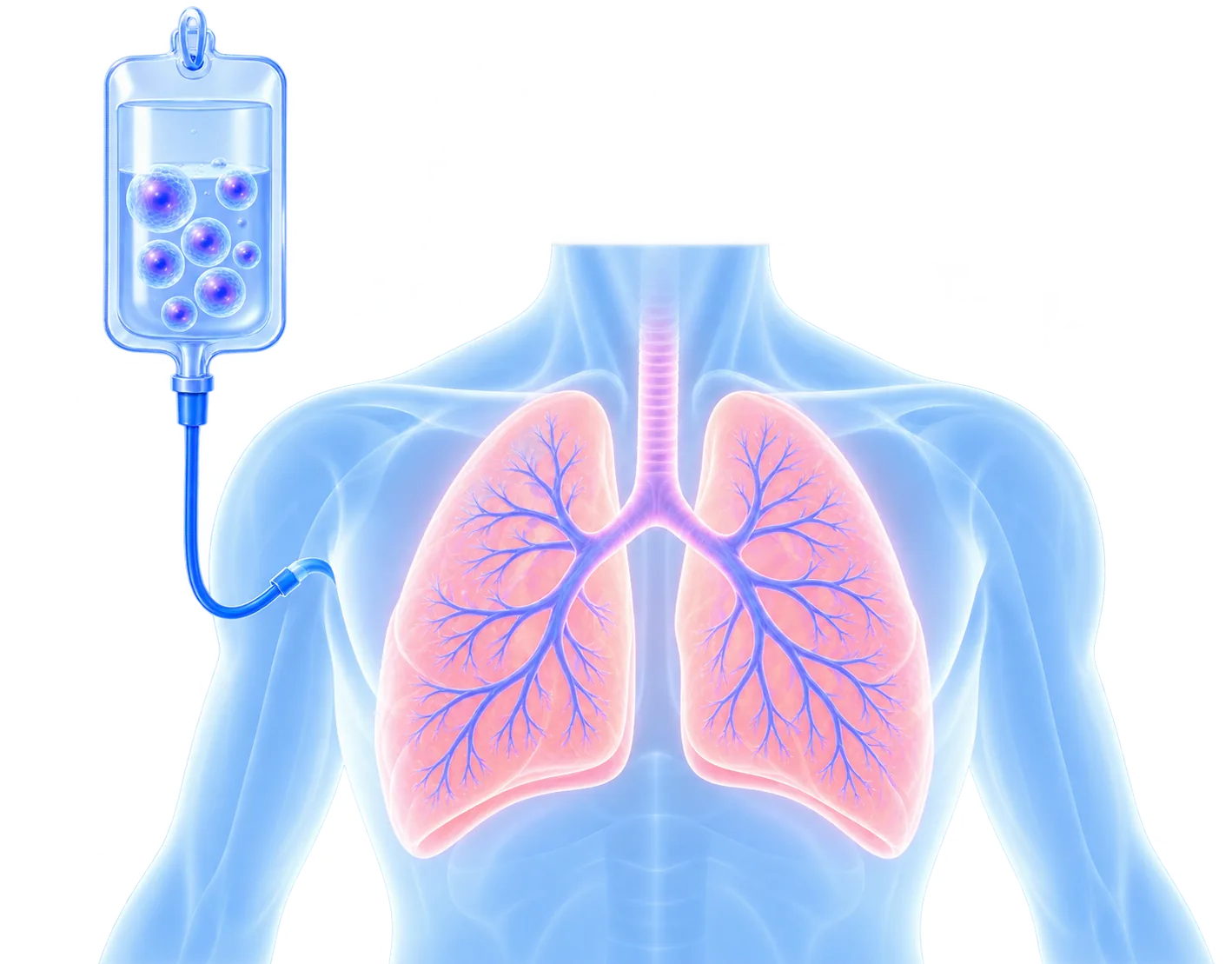
Cell retention in pulmonary microvessels and effects on coagulation are safety considerations. Evaluation depends on cell number, method, infusion speed and patient condition.

Ask about evidence for the proposed use, infection controls, side effects and the response to complications.
These are conceptual diagrams for discussing treatment choices. Review the actual preparation, its approval status, costs and clinical evidence with your doctor.
BM-MSC refers to bone-marrow-derived mesenchymal stromal cells. EV is a broad term for extracellular vesicles; exosomes are one type. Review the source, production and analysis together.
particles / vial
Tumor Suppressor miRNA
The particle count is a per-vial (2 mL) figure calculated from a measured concentration of 1.31 × 10¹² particles/mL. The miRNA share is calculated from the Top 100 miRNAs, limited to those whose direction is reported in the literature (about 53% of the total), normalised by expression level. miRNAs with conflicting reports, or without established reports, are excluded. These are results for the analysed lot and are not common to all preparations or lots. The 88% figure does not describe cancer prevention or treatment efficacy.


These are conceptual diagrams for discussing treatment choices. Review the actual preparation, its approval status, costs and clinical evidence with your doctor.
IPA uses molecular data, published findings and databases to explore associations with biological pathways. It separates experimental and predicted relationships; associations are not clinical outcomes.
Ingenuity Pathway Analysis compares molecular information with literature and databases. An association with a pathway is not proof of a therapeutic effect.
Ingenuity Pathway Analysis compares molecular information with literature and databases. An association with a pathway is not proof of a therapeutic effect.

Cell repair

Inflammation

Immunity

Blood vessels

Nerves

Hormones

Reproductive function

Cancer-related pathways
Ingenuity Pathway Analysis compares molecular information with literature and databases. An association with a pathway is not proof of a therapeutic effect.
These are conceptual diagrams for discussing treatment choices. Review the actual preparation, its approval status, costs and clinical evidence with your doctor.
Neither origin nor particle count alone determines clinical benefit or safety. Compare suitability, evidence, preparation and risks with your doctor.
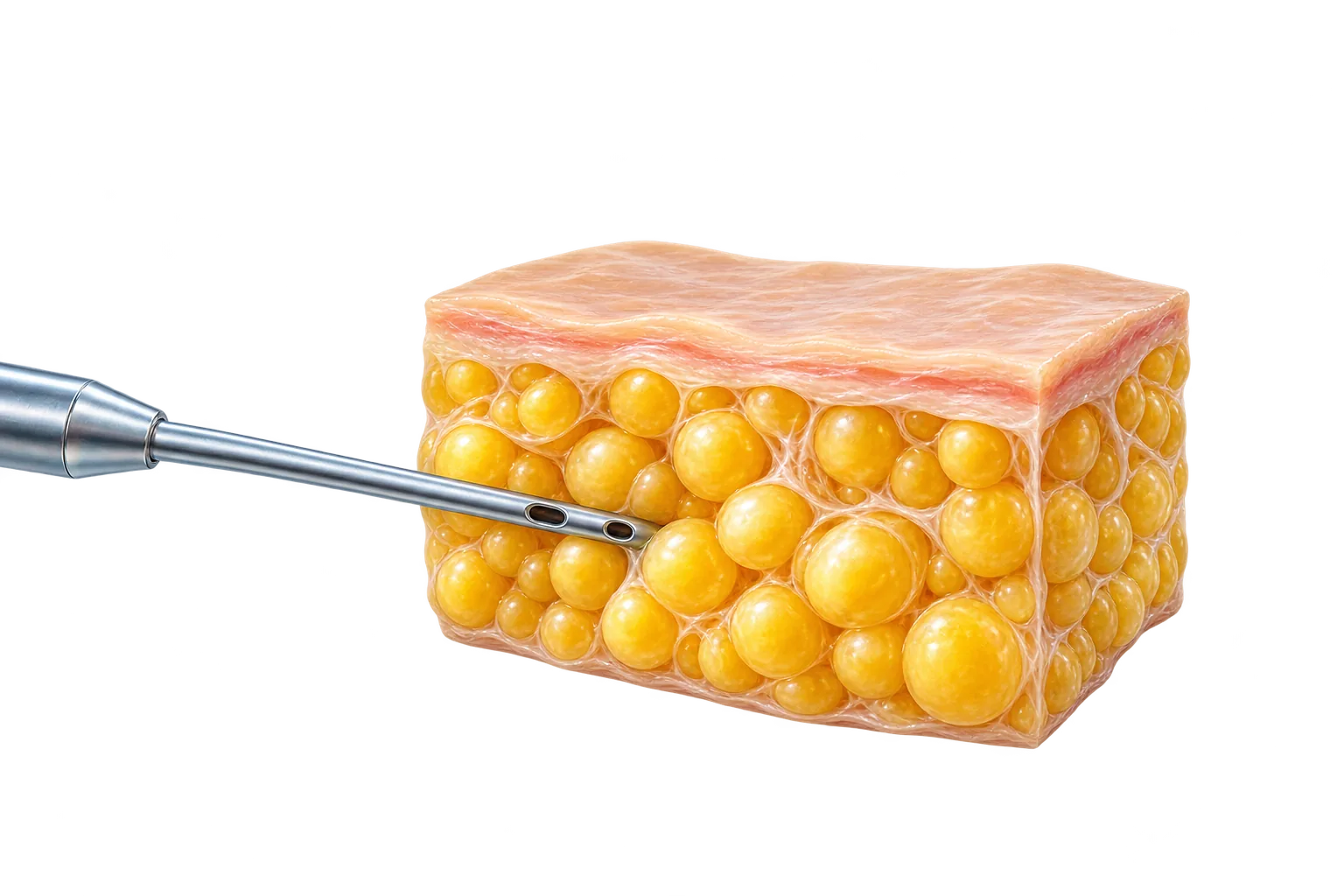
Harvest and culture your adipose-derived cells.
Review the source and manufacture of the EV preparation.
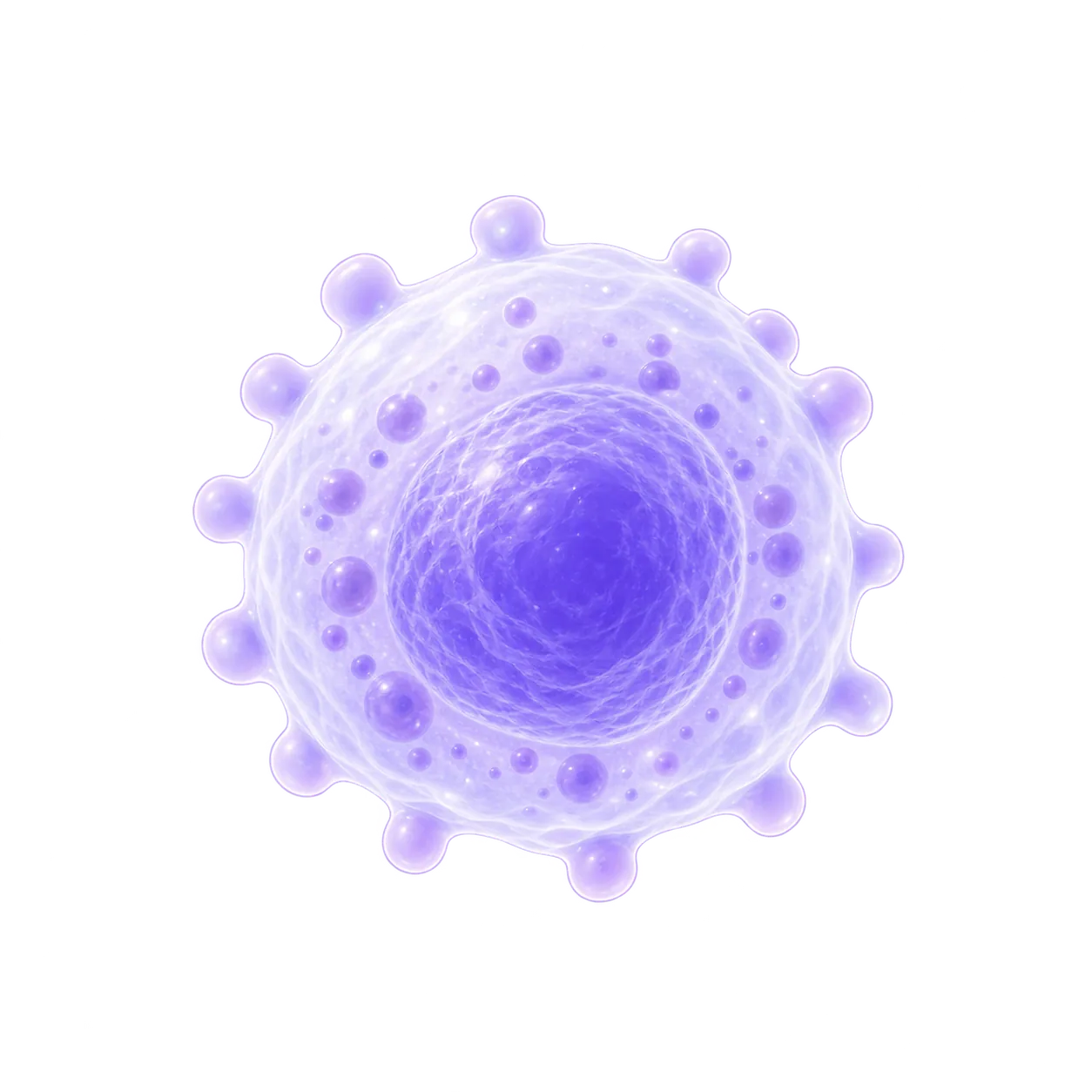
Living cells.
Vesicles released by cells.
Cell condition, culture, viability and administration.

Source, particle count, composition, purity and analysis.
Confirm clinical evidence and risks for the proposed method.

Laboratory characterization does not establish clinical efficacy or safety.

Tell us what you would like to understand. We can start with a consultation request before your visit.
These are conceptual diagrams for discussing treatment choices. Review the actual preparation, its approval status, costs and clinical evidence with your doctor.